
For a long time, mainstream media has not dedicated enough coverage on climate change and the environment overall. Case in point: when the UN issued a landmark biodiversity report in 2019, only 3 of the 26 prime-time news programs on major cable networks even covered the report. Thankfully, environmental coverage has come a long way since then (though see here on how much we still have to go) and we have so many more media outlets and formats to choose from today. Here are some of my favorite places to get high quality environmental news.
HEATED
Heated is an editorially independent and reader-funded newsletter founded by journalist Emily Atkin (with reporting support from Arielle Samuelson). This is a small team of 2 that punches (significantly) above their weight. You will find some of the most original reporting and analysis from this duo – I often read stories that I really don’t see anywhere else (see recent examples here and here). Paid subscribers are vital for their work, but the free content HEATED provides is extremely generous.
Read this: Eversource left the American Gas Association. These other “climate-friendly” utilities haven’t.
Heatmap News
A relative newcomer, Heatmap News was founded in 2023 by a group of seasoned editors, journalists and media executives. As they say: “Heatmap [dives] deep into the intersection of climate and politics, business, technology and culture to help its readers better understand the changing planet, the progress being made on decarbonization, and how best to navigate the energy transition already underway.” I especially love their practical guides and their EV coverage. Bonus point: Heatmap does not accept adversing from fossil fuel companies.
Read this: 7 lessons from the first year of Biden’s climate law (Heatmap’s entire coverage on the implementation of the Inflation Reduction Act is just *chef’s kiss*)
Guardian
If you follow any environmental news at all, you’ll notice quickly that almost no other major news outlets in the world has dedicated as much environmental coverage as the Guardian – which is one of the reasons why I make sure to make a donation every year. Guardian reporters are on the ground everywhere covering international climate events, and the organization’s got some of the best environmental reporters on staff (Damian Carrington, George Monbiot, Adam Vaughan, Oliver Milman, etc).
Read this: Why we’re rethinking the images we use for our climate journalism

The New York Times
Climate coverage is now embedded across the NYTimes’ different offerings (e.g., traditional articles, podcasts, interviews). If you don’t know where to start, do yourself a favor and sign up for the NYTimes’ Climate Forward newsletter right now. It features the latest on climate news, as well as practical advice on “what you can do”, and I look forward to reading it every week. I love the breadth of context and depth of reporting in their articles.
Read this: The clean energy future is arriving faster than you think
Grist
Grist’s About page tells you all you need to know about them: “Founded in 1999, Grist is a beacon in the smog — an independent, irreverent news outlet and network of innovators working toward a planet that doesn’t burn and a future that doesn’t suck.” I enjoy reading everything from their explanatory pieces on congestion pricing to advice on whether you should recycle your old glasses. I love the clean and beautiful website design too – it really makes a pleasant reader experience!
Read this: The extractive industries filling public university coffers on stolen land
CityLab
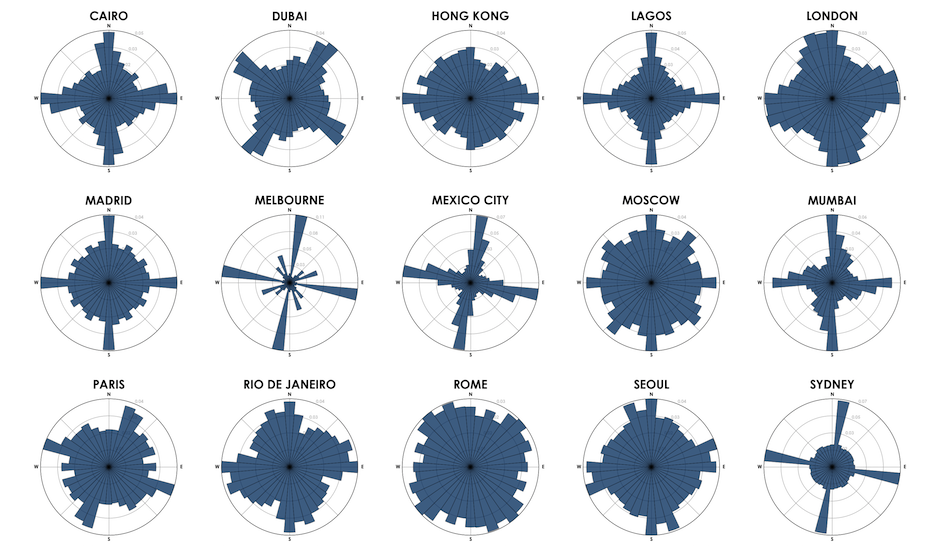
Cities are at the forefront of innovation in response to the climate crisis (and other challenges). I love to geek out on urban design, housing/transportation policies, and equity issues, and CityLab’s got all of that covered. A venture of Bloomberg News, CityLab is especially known for their smart data visualizations.
Read this: Visualizing the hidden ‘logic’ of cities (an example of the great visual storytelling CityLab does, see below!)
National Geographic
NatGeo is a cultural icon. I’ve read it and worshipped it since I was a kid, and its compelling photography is what made so many of us care about the environment in the first place. NatGeo’s brand has changed a lot over the years, but their impeccable storytelling hasn’t.
Read this: We made plastic. We depend on it. Now we are drowning in it.
Scientific American
Say what you will about Scientific American, I love the way they translate serious science to a general audience. In an era when most people don’t have access to academic journals, and journal articles are written mostly in incomprehensible gobbledygook anyway (I should know, I used to write them), Scientific American does us all a favor by breaking down the complicated science and putting it all in context.
Read this: The American obsession with lawns

Yale Environment 360
Yale Environment 360 is published by the Yale School of Environment, although it is editorially independent. It’s not a traditional news outlet per se, but I have read some of the most original reporting, analyses, and opinions here. Some of the pieces can be quite long, but hey – that’s a good thing, when it comes to covering something as complicated as climate change.
Read this: The case against more ethanol: it’s simply bad for environment
Inside Climate
Inside Climate is a non-profit organization and has a uniquely solution-oriented coverage. In their words, the site “covers clean energy, carbon energy, nuclear energy and environmental science—plus the territory in between where law, policy and public opinion are shaped.” The site also offers a number of excellent (and affordable) E-books that can be purchased via Amazon.
Read this: Exxon: the road not taken
Honorable mention: Climate Desk
If you find all of this simply overwhelming, I suggest following Climate Desk. It’s a content-sharing platform that aggregates amazing climate coverage from a variety of reputable outlets.
[This post was originally published in Nov 2019. It was updated in Aug 2024 with new recommendations and links.]


 Sensible Sustainability
Leave a comment